


Who can take singing lessons?
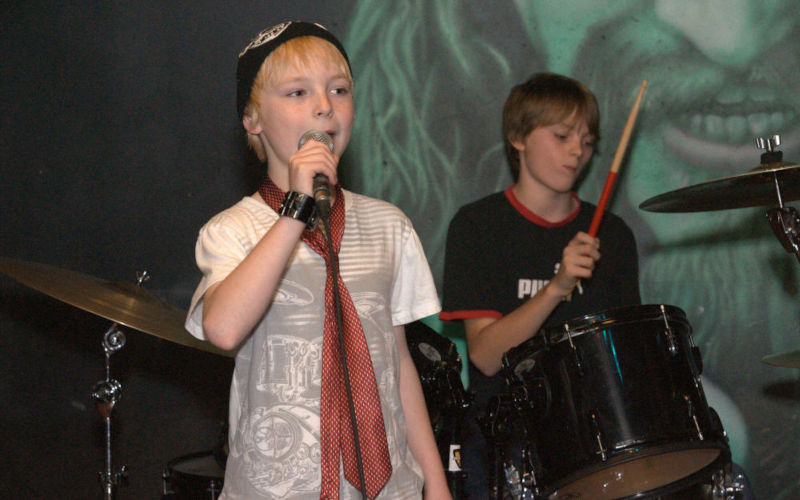
Singing lessons at Neighbour Note are open to children, teenagers and adults, and students can begin as early as four years old.
The age at which formal voice training tends to work best is around eleven or twelve. Around this point, the body and the voice undergo significant changes, and a trained teacher can guide a young singer through them safely rather than fighting against them. Younger children are very welcome, and their lessons focus on pitch, rhythm, listening and enjoyment rather than heavy technical work.
There is no upper age limit. Adults make up a large share of our voice students, and many of them arrive as complete beginners. Adult learners often move faster than they expect, because they know exactly what they want from their lessons and they practise with purpose. Thirty, fifty or seventy is not too late to start.
You do not need to read music. You do not need previous training. You do not need to have sung anywhere other than the car.
If you have been told at some point that you cannot sing, that is a very common place to begin. Pitch accuracy, breath control and tone are trainable skills for most people rather than fixed traits, and a single lesson tells a teacher a great deal about what to work on first.
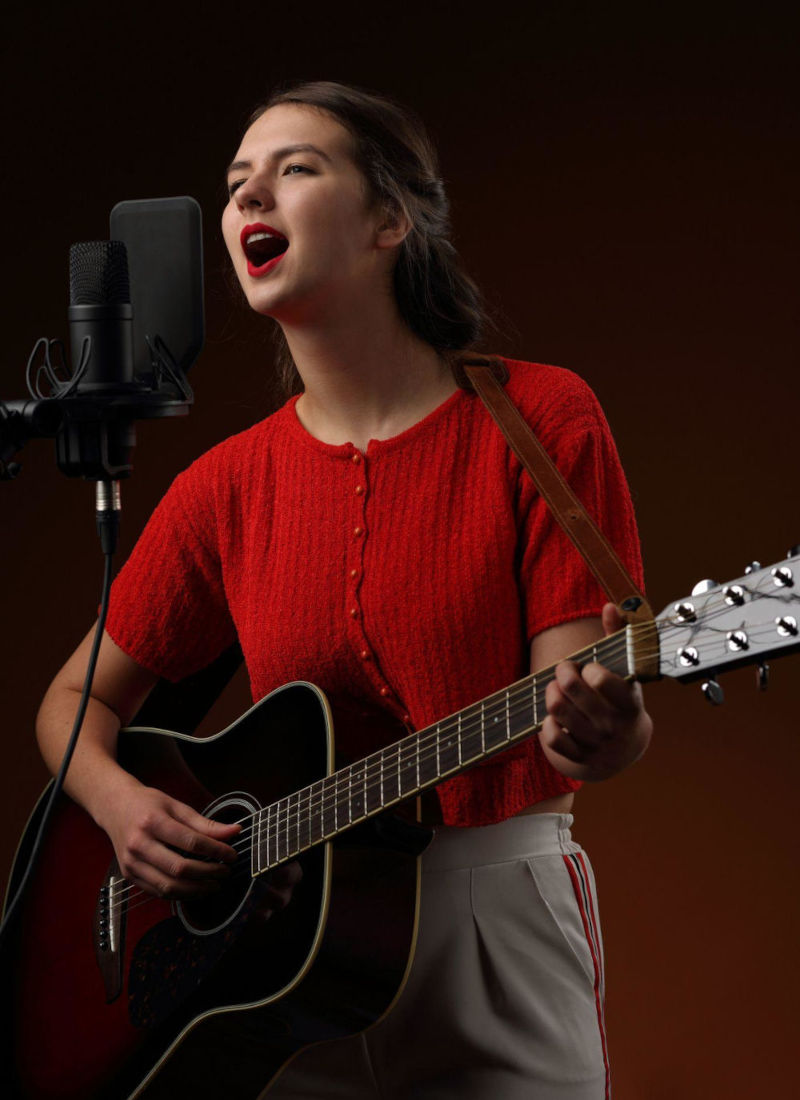
What singing styles can you learn?
Neighbour Note teaches jazz, musical theatre, pop and classical singing. You are not asked to choose one and stay there. Most students move between styles as their voice and their interests develop.
Jazz. Work on phrasing, swing feel, improvisation and the standards repertoire. Jazz singing rewards a flexible ear, and lessons usually pair vocal technique with a working understanding of harmony.
Musical theatre. Belt and mix technique, character and storytelling through song, and audition preparation. Musical theatre asks a singer to act and sing simultaneously, and lessons build both.
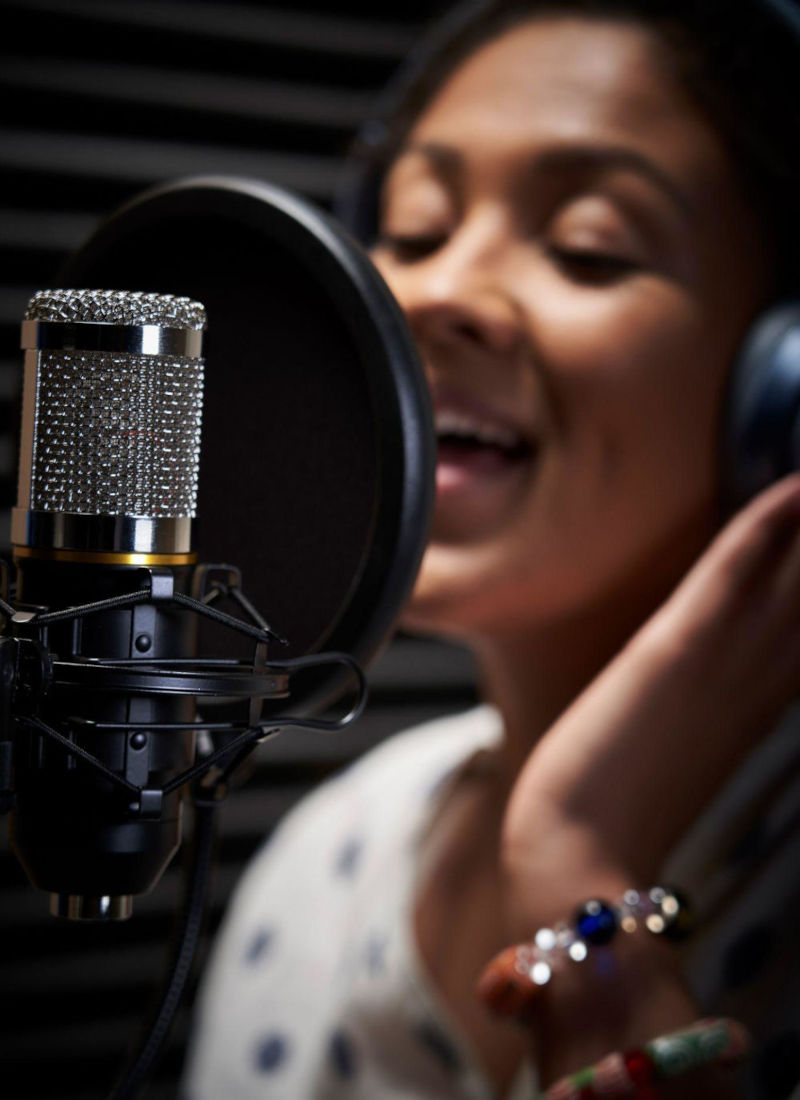
Pop. Contemporary repertoire, microphone technique, stylistic choices and healthy delivery of the songs you actually want to sing. Pop technique is often where adult beginners feel most at home.
Classical. Traditional vocal technique, art song and operatic repertoire, and preparation for Royal Conservatory of Music examinations where a student wants that path. Classical training builds a technical foundation that transfers to every other style.
Several of our voice teachers work across more than one of these areas, so a student who starts in one style and becomes curious about another can usually explore it without changing teachers.
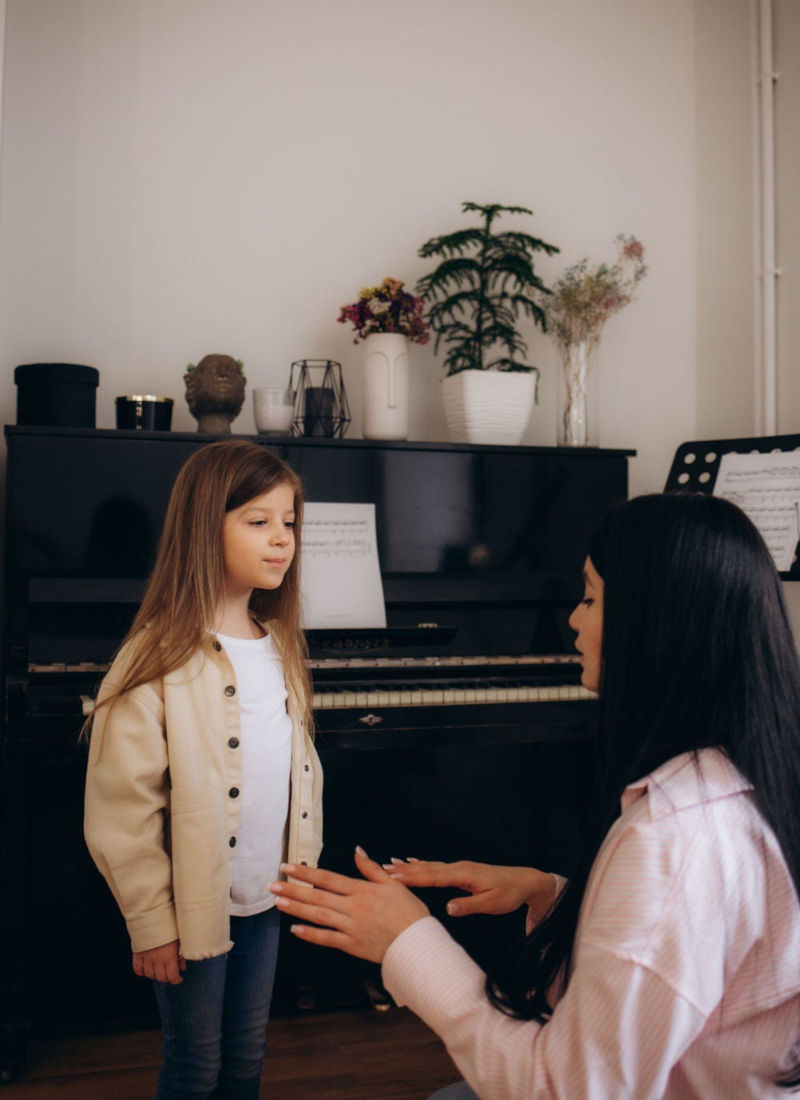
What happens in your first singing lesson?
A first singing lesson usually starts with breathing and vocal placement. Your teacher will lead you through simple exercises, listen carefully, and give you direct feedback on what is already working and what needs attention. Nothing about the first lesson is a test.
From there, your teacher will ask about your goals. Someone preparing for a musical theatre audition needs a different first term than someone who wants to sing more comfortably at family gatherings, and the lesson plan follows from that conversation.
You will also choose music. Students pick songs they genuinely want to learn, because motivation to practise comes far more reliably from repertoire you care about than from repertoire assigned to you.
Beginners spend early lessons on proper breathing and on relaxation, making sure the mind does not get in the way of the body while singing. Approaches such as the Alexander Technique are particularly useful at this stage of development.
You do not need to bring much. Some teachers will ask you to bring sheet music if you have any. Otherwise, you only need to bring yourself.
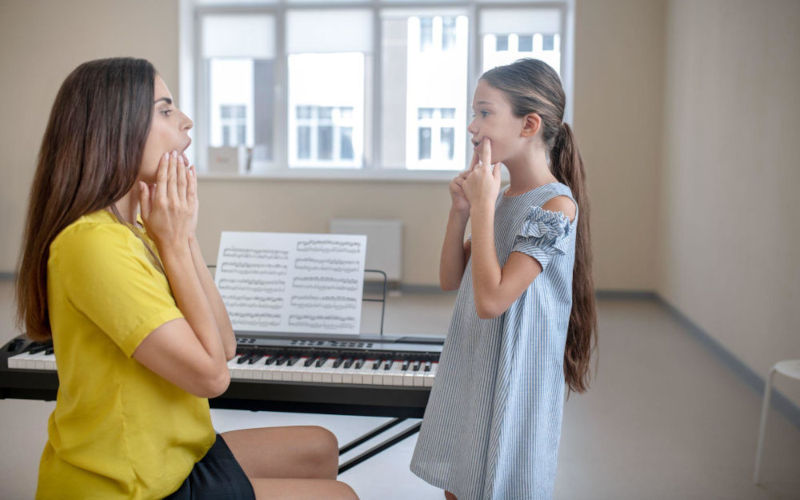
Who will teach you?
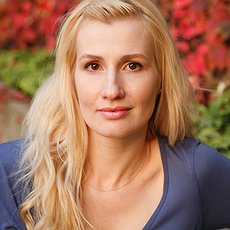
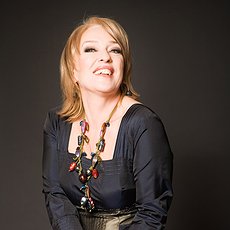
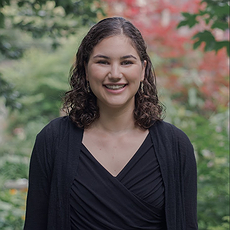
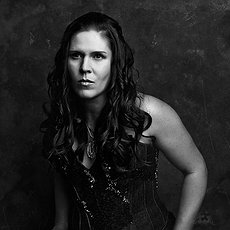
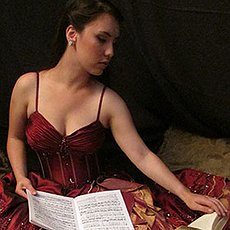
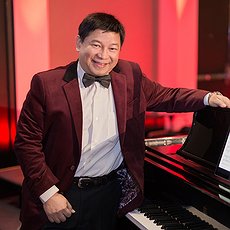
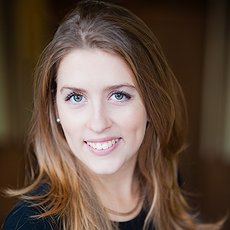
Singing lessons at Neighbour Note are taught by PhD, Master's and RCM-qualified teachers, including a Juno Award nominee. Between them, they cover jazz, musical theatre, pop and classical, so you can be matched with a teacher who works in the style you want to sing. Every teacher's full biography, degrees and performance background is published on our teachers page, so you can see exactly who you will be working with before your first lesson. Singers who already sing at an intermediate or advanced level can also work with our voice faculty through dedicated vocal coaching, which focuses on repertoire, technique and performance preparation. Singing lessons run in our Jane Street studio, in your own home, or online.
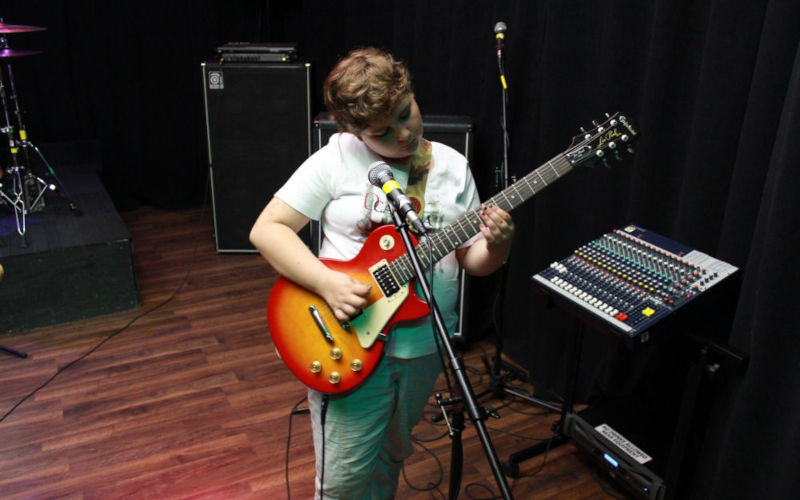
In-home, at the studio, or online?
Interactive virtual sessions with real-time feedback, guided exercises, and structured development plans.
No matter the format, every student follows a clear curriculum built around long-term improvement.
Why choose Neighbour Note for singing lessons?
Every lesson plan is built around the individual student. You choose the repertoire you want to sing, and your teacher builds the technical work around it. Students preparing for Royal Conservatory of Music examinations follow that path, and students singing for their own enjoyment follow theirs.
To arrange singing lessons, use our registration form or contact us.



Frequently Asked Questions
How much are singing lessons in Toronto?
Singing lessons in Toronto typically range from $40 to $85 per lesson, depending on the lesson length and location. At Neighbour Note, a 30-minute studio lesson costs $40, and a 30-minute in-home lesson costs $45, bought in packages of three, four, or five lessons.
Is it worth paying for singing lessons?
Yes, for most people. Singing is a physical skill built on breath control, posture and vocal placement, and these are difficult to correct alone because you cannot hear your own voice the way a listener does. A trained teacher shortens the process and prevents habits that strain the voice.
Is 30 too old to start singing lessons?
No. Adults make up a large share of voice students and often progress faster than expected, because they practise with a clear goal in mind. No age makes the voice stop responding to training.
Can I take singing lessons if I think my voice is bad?
Yes. Pitch accuracy and tone are trainable skills for most people, not fixed traits. Students who arrive convinced they cannot sing are common, and a first lesson gives a teacher enough information to know exactly where to start.
What age can a child start singing lessons?
Children can begin singing lessons at Neighbour Note from age 4. Formal voice training tends to work best from around age eleven or twelve, when the voice begins to change, and a teacher can guide that change safely. Lessons for younger children focus on pitch, rhythm and enjoyment.
Do I need to read music to take singing lessons?
No. Many students begin with no ability to read music. Your teacher will introduce notation gradually if and when it becomes useful for the repertoire you want to sing.
Neighbour Note offers guitar classes and learn to play guitar classes in these neighbourhoods near you:
- Etobicoke: the Kingsway, Sunnylea.
- West End: Bloor West Village, High Park, the Junction, Roncesvalles, Swansea, West Bend.
- York-Crosstown: Baby Point, Lambton Mills, Old Mill, Runnymede.
- North York: Glen Park.
- York: Belgravia, Briar Hill, Oakwood Village.
- East York: Leaside.
- Uptown: Allenby, Davisville Village.
- Midtown: Humewood, Rosedale, Casa Loma, Forest Hill, Regal Heights, Wychwood, Moore Park, Deer Park, Summerhill, Bracondale Hill.
- North Toronto: Lawrence Park.
- Downtown: Yorkville, the Annex, Little Italy, Trinity Bellwoods, Dufferin Grove, Cabbage Town, St. James Town. East End: Danforth Village, Playter Estates, Riverdale, Leslieville, the Beaches.